Architectural Millwork That Adds Timeless Charm to Any Space
December 17, 2025
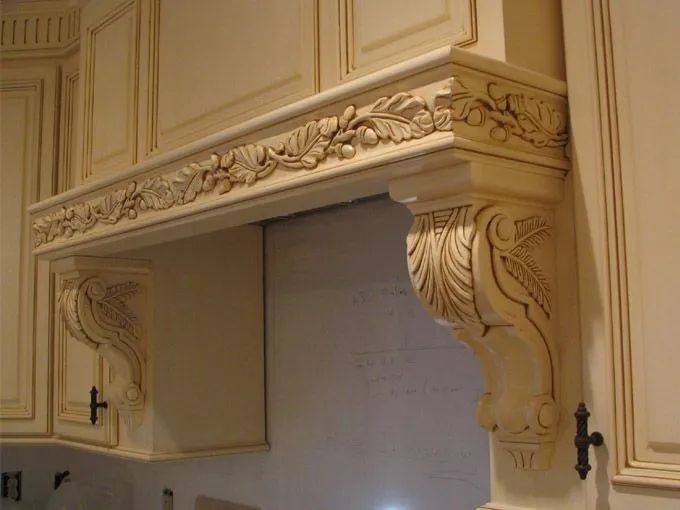
Architectural millwork has long been celebrated as a hallmark of craftsmanship and design excellence. From intricately carved moldings to custom cabinetry and paneling, millwork transforms ordinary spaces into extraordinary environments. Beyond mere decoration, it establishes a sense of character, cohesion, and sophistication, offering homeowners, designers, and builders a versatile tool to elevate interiors. In an era where standardized construction often dominates, millwork brings a personalized touch that reflects both aesthetic sensibilities and architectural intent. Its subtle yet impactful presence can define the personality of a room, influencing everything from light flow to spatial perception.
The relevance of architectural millwork extends beyond aesthetics. Well-designed millwork improves functionality, enhances property value, and fosters an inviting ambiance. Whether in residential or commercial settings, the careful selection and installation of millwork can create spaces that feel timeless, resilient, and refined. From classic crown molding to modern, minimalist cabinetry, millwork bridges the gap between traditional craftsmanship and contemporary design. As design trends continue to evolve, the enduring appeal of quality millwork remains a testament to the value of artisanal skill and thoughtful design. Understanding its applications and benefits is essential for anyone seeking to create spaces that resonate with elegance and permanence.
1. The Essentials of Architectural Millwork
What is Architectural Millwork?
Architectural millwork refers to custom-crafted wooden elements used in building interiors and exteriors. These include moldings, trims, paneling, doors, staircases, and cabinetry. Unlike prefabricated or mass-produced components, millwork is tailored to specific design requirements, ensuring precision, durability, and aesthetic harmony. Millwork combines artistry with functional utility, serving both structural and decorative purposes. Its versatility allows it to seamlessly blend with various design styles, from traditional Victorian homes to sleek modern offices.
Key Materials and Techniques
Millwork typically involves high-quality hardwoods, softwoods, and engineered wood products. Common choices include oak, cherry, maple, and walnut for their durability and visual appeal. Techniques such as hand-carving, routing, veneering, and finishing are employed to create intricate designs and flawless surfaces. The finishing process, including staining, painting, and sealing, not only enhances appearance but also ensures long-term performance against wear and environmental factors.
Practical Applications in Interiors
In interior design, architectural millwork serves multiple functions. Crown moldings define ceiling lines, wainscoting adds texture and elegance to walls, and built-in cabinetry maximizes storage while maintaining aesthetic integrity. Staircases, balustrades, and fireplace mantels become focal points, providing visual interest and architectural cohesion. By integrating these elements, designers create spaces that balance beauty, practicality, and timeless appeal.
2. Enhancing Spaces with Custom Woodwork
- Elevating Residential Interiors:- Custom woodwork brings a unique, personalized touch to residential spaces. Homeowners can select designs that complement their style, whether it’s classic, transitional, or modern. For example, a hand-carved staircase with ornate balusters can become a statement feature in a foyer, while built-in shelving units can transform living areas into functional, visually appealing spaces. By tailoring millwork to the architectural framework of a home, designers ensure every element aligns with the overall aesthetic.
- Boosting Commercial Properties:- In commercial settings, architectural millwork conveys professionalism and sophistication. Custom wood paneling in boardrooms, retail spaces, and hospitality environments enhances branding while creating a welcoming atmosphere. Reception desks, conference tables, and decorative wall treatments constructed with precision millwork signal attention to detail, quality, and craftsmanship, which can influence client perceptions and foster trust in a business’s offerings.
- Integration with Modern Design Trends:- Modern design trends often emphasize clean lines, minimalist forms, and functional efficiency. Millwork adapts to these demands by offering sleek cabinetry, concealed storage solutions, and integrated wall features. Techniques like veneering, laminates, and CNC routing allow for precision and consistency, enabling designers to incorporate millwork without compromising contemporary aesthetics. This adaptability ensures that even the most modern spaces benefit from the warmth and sophistication that quality woodwork provides.
3. Benefits of Architectural Millwork
Timeless Aesthetic Appeal
One of the most significant advantages of architectural millwork is its ability to provide timeless beauty. Unlike trends that may fade over time, well-crafted woodwork maintains visual appeal for decades. Its natural textures, grains, and finishes create warmth and depth, enhancing the sensory experience of a space. This enduring charm is particularly valuable in high-traffic areas or spaces designed for long-term use.
Functional Advantages
Millwork is not solely decorative; it serves practical functions as well. Cabinets, shelving, and storage units improve organization and accessibility. Staircases, railings, and doors constructed with quality millwork provide safety and structural integrity. Even moldings and trim can protect walls from scuffs and damage, offering both aesthetic and functional value.
Increased Property Value
Investing in architectural millwork can significantly enhance property value. Potential buyers and commercial clients often perceive spaces with custom woodwork as higher quality and more desirable. From resale homes to office spaces, millwork adds a sense of luxury and refinement that differentiates properties in competitive markets.
4. Overcoming Challenges in Millwork Projects
- Budget Considerations:- Custom millwork is often perceived as expensive due to the materials and labor involved. However, strategic planning and prioritization allow homeowners and businesses to achieve high-quality results within budget. Selecting key focal areas, combining custom and semi-custom elements, and exploring alternative materials such as engineered wood can help balance cost with craftsmanship.
- Maintenance and Longevity:- While millwork is durable, it requires proper care to maintain its appearance and functionality. Regular dusting, polishing, and occasional refinishing can extend the life of woodwork. Moisture control is crucial, especially in humid environments, to prevent warping or swelling. Understanding maintenance requirements ensures the investment remains valuable for years.
- Working with Skilled Craftsmen:- The quality of millwork depends heavily on the skill of the craftsman. Collaborating with experienced professionals ensures precision in measurements, cutting, and finishing. Inaccurate or rushed installations can compromise both aesthetics and structural integrity. Hiring reputable millwork specialists mitigates these risks, providing peace of mind and superior results.
5. Best Practices for Selecting and Installing Millwork
Assessing Your Space and Design Goals
Before selecting millwork, evaluate the purpose and style of your space. Consider architectural features, existing décor, and desired visual impact. Create a detailed plan that includes dimensions, material choices, and design elements to guide the selection process. A well-thought-out plan ensures that the final installation complements the overall environment seamlessly.
Material Selection and Finishing
Choosing the right wood species and finish is essential. Hardwoods offer durability and rich aesthetics, while engineered woods can be cost-effective and versatile. Finishes such as stains, paints, or lacquers must be compatible with the wood and intended use. Testing samples in the actual space helps visualize outcomes and ensures satisfaction with color, texture, and sheen.
Professional Installation Techniques
Proper installation guarantees durability and a flawless appearance. Techniques such as precise cutting, joining, sanding, and securing are critical. Adequate alignment and reinforcement prevent gaps, sagging, or future damage. Whether installing crown moldings, cabinetry, or staircases, attention to detail during installation directly influences the longevity and visual impact of millwork.
Incorporating Customization and Flexibility
Custom millwork allows for creativity and adaptability. Adjustable shelving, hidden compartments, and modular designs increase functionality without sacrificing style. Collaborating with designers and craftsmen to explore options ensures that millwork serves both aesthetic and practical needs. Flexibility in design accommodates future changes, making spaces more versatile and sustainable.
6. Real-World Examples of Millwork Impact
- Residential Transformations:- Consider a historic home renovation where traditional wainscoting and custom cabinetry were incorporated. The millwork preserved the home’s architectural integrity while modernizing functional spaces. The result was an elegant, cohesive environment that respected history and met contemporary living standards. Homeowners reported increased satisfaction with both the aesthetic and utility of their interiors.
- Commercial Enhancements:- In a boutique hotel project, custom wood paneling, reception desks, and built-in seating areas created a luxurious yet approachable ambiance. Guests consistently praised the attention to detail and warmth of the interiors. The strategic use of millwork not only improved guest experience but also reinforced brand identity, illustrating the powerful role of architectural woodwork in commercial settings.
- Adaptive Design Solutions:- Millwork can solve challenging design problems. For example, irregular wall angles or awkward corners can be elegantly addressed with custom moldings, cabinetry, or shelving. By tailoring solutions to unique spaces, millwork enhances usability without compromising style, demonstrating its versatility and problem-solving potential.
7. Long-Term Considerations and Sustainability
Choosing Sustainable Materials
As environmental awareness grows, selecting sustainably sourced or reclaimed wood is increasingly important. Certifications such as FSC (Forest Stewardship Council) ensure responsible sourcing. Sustainable millwork reduces environmental impact while maintaining the aesthetic and functional benefits of traditional woodwork.
Durability and Lifecycle Planning
Long-lasting millwork reduces the need for frequent replacements, contributing to both economic and environmental efficiency. Considering wear, usage, and finishing options during planning helps ensure that millwork retains its beauty and functionality over decades, making it a wise investment for both residential and commercial projects.
Harmonizing Tradition and Modernity
Sustainable millwork enables designers to combine traditional craftsmanship with modern design principles. Techniques like CNC cutting and modular assembly allow precision, consistency, and efficiency while retaining the timeless appeal of handcrafted wood. This blend ensures that spaces remain stylish, functional, and environmentally responsible.
Maximizing Design Value Through Professional Millwork Expertise
Architectural millwork represents a union of artistry, functionality, and timeless appeal. From residential to commercial spaces, it enhances aesthetics, adds structural value, and elevates the overall experience of an environment. Through careful material selection, skilled craftsmanship, and strategic planning, millwork transforms ordinary interiors into visually compelling and enduring spaces. Its ability to harmonize tradition with modern design trends makes it a versatile tool for designers, builders, and homeowners alike. Investing in quality millwork is an investment in long-term beauty, practicality, and property value.
For those seeking expert guidance and impeccable results, Columns & Carvings, LLC
in Birmingham, Alabama, offers 20
years of experience in creating exceptional
architectural millwork. Our team combines skilled craftsmanship with a commitment to quality, delivering custom woodwork that enhances any space. From intricate moldings to functional cabinetry and bespoke staircases, we provide solutions tailored to your vision. Trusted by homeowners, designers, and businesses alike, Columns & Carvings, LLC
ensures every project reflects precision, elegance, and timeless charm. Partner with us to bring enduring beauty and sophistication to your interiors while benefiting from decades of industry expertise.