Choosing the Right Pergola: Materials, Styles, and Installation Insights
June 8, 2026
Outdoor living spaces have become an essential extension of modern homes, providing areas for relaxation, entertainment, and increased property value. Among the many outdoor enhancements available, pergolas remain one of the most popular additions because they combine functionality, aesthetics, and versatility. Whether installed over a patio, garden pathway, poolside retreat, or outdoor dining area, a pergola creates a defined space that enhances comfort while improving the overall appearance of the landscape. As homeowners continue investing in outdoor improvements, choosing the right pergola has become an important decision that affects durability, maintenance requirements, visual appeal, and long-term performance.
Selecting a pergola involves much more than choosing a design that looks attractive. Material selection, architectural style, installation methods, local climate conditions, and intended use all influence the success of the project. A structure that performs well in one setting may not provide the same benefits in another. Understanding the advantages and limitations of various pergola options helps property owners make informed choices that align with their goals, budget, and outdoor lifestyle. This guide explores key considerations related to pergola materials, styles, and installation practices to help create an outdoor structure that delivers lasting value and enjoyment.
Understanding Pergola Materials and Their Performance
Why Material Selection Matters
The material used in a pergola significantly impacts appearance, maintenance requirements, longevity, and structural strength. Different materials respond differently to weather exposure, moisture, sunlight, and daily use. Selecting the right option requires balancing aesthetics with practical performance expectations.
Property owners should consider regional climate conditions, maintenance preferences, and overall landscape design before making a decision. The right material can provide decades of reliable service while complementing surrounding architectural features.
Wood Pergolas: Traditional Beauty and Natural Appeal
Wood remains one of the most sought-after pergola materials because of its timeless appearance and design flexibility. Cedar, redwood, pine, and pressure-treated lumber are common choices for residential installations.
Wood pergolas offer warmth and character that many homeowners prefer. They can be stained or painted to match existing structures and can accommodate intricate decorative details. However, wood requires ongoing maintenance, including sealing, staining, and inspections for moisture-related damage.
In areas with high humidity or frequent rainfall, neglecting maintenance can lead to rot, warping, or insect activity. Proper care helps preserve appearance and structural integrity for many years.
Aluminum and Vinyl Pergolas
Aluminum pergolas provide excellent durability while requiring minimal maintenance. They resist rust, insect damage, and moisture-related deterioration. Many modern aluminum systems also feature powder-coated finishes that enhance longevity.
Vinyl pergolas appeal to homeowners seeking a clean appearance with limited upkeep. Unlike wood, vinyl does not require painting or staining. While durable, vinyl may offer fewer customization options and can be susceptible to cracking under extreme conditions.
Exploring Pergola Styles for Different Outdoor Spaces
Matching Design with Property Architecture
A pergola should enhance the existing character of a property rather than appear disconnected from the surrounding environment. Architectural compatibility plays a major role in creating a cohesive outdoor design.
Homes with traditional architecture often benefit from classic pergola designs featuring decorative columns, detailed rafters, and elegant trim work. Contemporary homes may be better suited to clean lines, minimalist profiles, and streamlined structural elements.
Freestanding Pergolas
Freestanding pergolas function as independent structures positioned away from the main building. They create destination areas within landscapes and can serve multiple purposes.
Popular Applications
- Outdoor dining spaces
- Garden seating areas
- Poolside shade structures
- Fire pit gathering zones
Freestanding designs offer flexibility because they can be placed where they provide the greatest benefit without relying on existing structural support.
Attached Pergolas
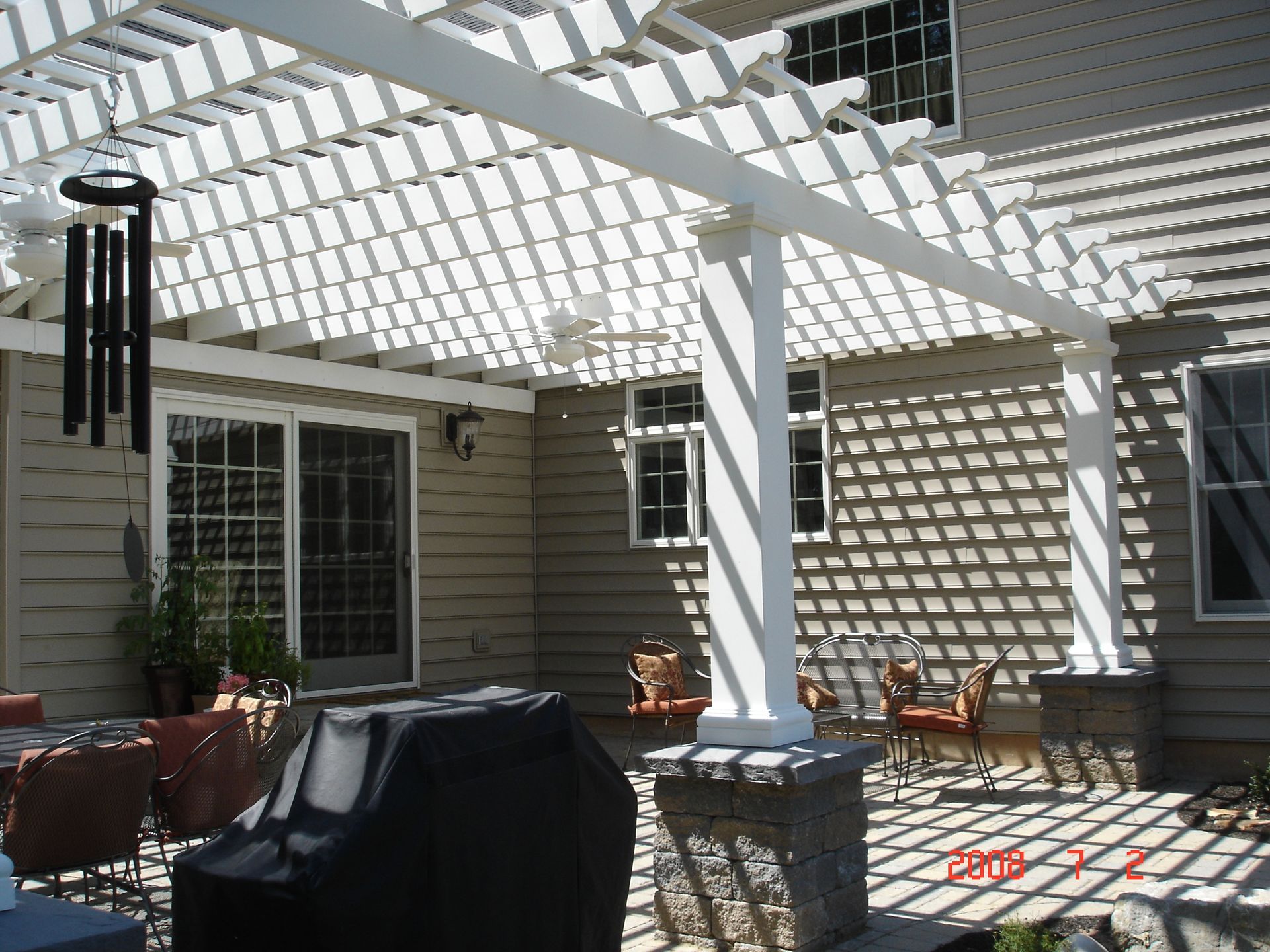
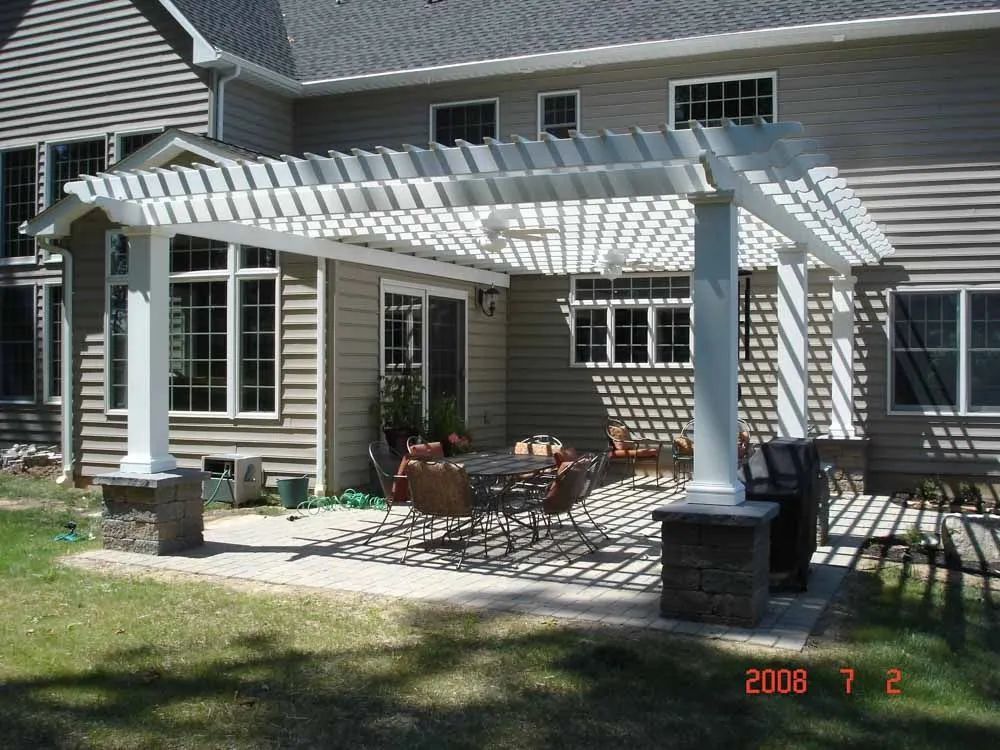
Attached pergolas connect directly to a home or building, creating a seamless transition between indoor and outdoor living areas.
Benefits of Attached Structures
- Expanded patio functionality
- Convenient outdoor entertaining
- Architectural continuity
- Enhanced shade near entryways
Many homeowners use attached pergolas to define outdoor kitchens, seating areas, and covered patios while maintaining easy access to interior spaces.
Modern Pergola Innovations
Contemporary pergolas often incorporate adjustable louvers, integrated lighting, ceiling fans, privacy screens, and automated shade systems. These features improve comfort and increase usability throughout different seasons.
As outdoor living trends continue evolving, pergolas are increasingly serving as multifunctional extensions of residential and commercial properties.
Evaluating Functionality and Long-Term Value
Defining the Purpose of the Pergola
Before selecting a pergola design, property owners should determine how the structure will be used. The intended purpose influences size, material selection, and accessory choices.
Some homeowners prioritize aesthetics, while others focus on shade, entertainment, or outdoor dining. A clear understanding of goals helps guide design decisions and prevents costly modifications later.
Enhancing Outdoor Comfort
Pergolas can significantly improve outdoor comfort when designed properly. Strategic placement helps reduce direct sun exposure while maintaining airflow.
Additional enhancements may include:
Shade Features
Retractable canopies, shade sails, and climbing plants provide additional protection from sunlight while maintaining an open-air atmosphere.
Lighting Systems
Integrated lighting extends usability into evening hours and enhances safety around walkways and gathering spaces.
Privacy Solutions
Decorative screens, curtains, and landscaping elements help create a more intimate environment while improving visual appeal.
Property Value Considerations
Outdoor living improvements often contribute to stronger curb appeal and increased marketability. A well-designed pergola creates visual interest and demonstrates thoughtful property maintenance.
Potential buyers frequently view attractive outdoor spaces as valuable lifestyle features, particularly when structures complement the home's overall design.
Key Installation Factors Every Property Owner Should Consider
Site Assessment and Planning
Successful pergola projects begin with a comprehensive site evaluation. Ground conditions, drainage patterns, utility locations, and sun exposure all influence installation requirements.
Ignoring these factors can lead to structural issues, water-related problems, or costly adjustments after construction.
Foundation and Structural Support
The stability of a pergola depends heavily on proper foundation design. Footings must be sized appropriately to support anticipated loads while accounting for local soil conditions.
Common Foundation Options
- Concrete footings
- Pier systems
- Anchored deck installations
- Reinforced slab connections
Professional planning ensures structural reliability and compliance with local building requirements.
Permit and Code Considerations
Many jurisdictions require permits for pergola construction, particularly for larger structures or installations attached to buildings.
Understanding local regulations helps avoid delays, fines, and potential reconstruction expenses. Compliance also ensures the structure meets applicable safety standards.
Professional Installation Versus DIY Construction
While some pergolas are marketed as do-it-yourself projects, larger or custom-built structures often benefit from professional installation.
Professional construction offers advantages such as:
- Accurate measurements
- Proper structural connections
- Code compliance
- Reduced construction risks
- Improved long-term performance
Investing in quality installation can prevent future maintenance and repair concerns.
Best Practices for Maintaining a Pergola
Routine Inspections
Regular inspections help identify developing issues before they become significant problems. Property owners should examine posts, beams, fasteners, and decorative elements periodically.
Small repairs completed early often prevent more extensive restoration work later.
Cleaning and Surface Care
Different materials require different maintenance approaches.
Wood Structures
Wood pergolas benefit from periodic cleaning, sealing, and refinishing to protect against weather-related deterioration.
Metal Structures
Aluminum systems typically require occasional washing to remove dirt, pollen, and environmental debris.
Vinyl Systems
Vinyl pergolas can usually be maintained through simple cleaning with mild soap and water.
Seasonal Maintenance Planning
Preparing a pergola for seasonal weather conditions helps preserve its appearance and structural integrity. Removing debris, inspecting drainage patterns, and addressing minor wear before extreme weather arrives can significantly extend service life.
Consistent maintenance protects the investment while preserving the pergola's visual appeal for years.
Creating Outdoor Spaces Built for Lasting Enjoyment
Choosing the right pergola involves balancing design preferences, material performance, installation quality, and long-term maintenance considerations. Each decision contributes to how well the structure performs over time and how successfully it enhances outdoor living spaces. Understanding available materials, evaluating architectural styles, identifying functional goals, and prioritizing proper installation helps create a pergola that meets both aesthetic and practical expectations.
A thoughtfully designed pergola can transform underutilized outdoor areas into inviting destinations for relaxation, entertaining, and everyday enjoyment. By considering climate conditions, maintenance requirements, and future needs during the planning process, property owners can make informed investments that support lasting value. Whether the goal is creating shade, defining outdoor living areas, or improving curb appeal, selecting the appropriate pergola solution helps ensure years of reliable performance and visual appeal.
Trusted Outdoor Craftsmanship Backed by Decades of Experience
When planning a pergola project, experience and craftsmanship play a major role in achieving results that combine beauty, durability, and long-term value. At Columns & Carvings, LLC, we understand that every outdoor space presents unique opportunities and design considerations. With 20 years of experience serving property owners in Birmingham, Alabama, we have developed a reputation for delivering custom outdoor structures that reflect quality workmanship and attention to detail.
We work closely with homeowners to evaluate site conditions, architectural styles, material options, and functional goals before construction begins. This collaborative approach helps ensure that each pergola complements the surrounding environment while meeting practical performance expectations. From traditional wood designs to modern outdoor living enhancements, we focus on creating structures that enhance comfort, usability, and visual appeal.
Our commitment to quality extends beyond construction. We emphasize proper planning, durable materials, sound installation practices, and personalized service throughout every project. By combining industry knowledge with proven craftsmanship, we help clients create outdoor spaces that remain attractive and functional for years. Whether enhancing a backyard retreat, outdoor entertainment area, or landscape focal point, we provide the expertise needed to bring pergola visions to life with confidence.