Wood Columns Rotting on a Humid Porch? Why Material Choice Makes or Breaks It

July 6, 2026

Quick Answer: Porch columns rot, especially at the base, when moisture gets into a material that can't handle it, and in humid climates that happens fast with untreated or solid wood. The material a column is made of largely determines whether it lasts: solid wood is beautiful but vulnerable to rot in damp conditions, while options like PVC, fiberglass, aluminum, and properly built or composite columns resist moisture far better. Choosing a material suited to your climate and exposure, and installing it to drain and breathe, is what makes a column last rather than rot.


You look at your front porch and notice it: a column soft, spongy, or crumbling near the base, or paint blistering where moisture has gotten in. It's a common and disheartening sight, especially on an older porch, and it raises an obvious question when it's time to replace them: how do you keep the new columns from rotting the same way?


The answer comes down, more than anything, to material. A column is only as durable as what it's made of and how well that material stands up to moisture, and on a humid porch, that difference is everything. Solid wood columns can rot in damp conditions, while other materials shrug moisture off for decades. Understanding how column materials differ, and matching the right one to your climate and exposure, is what makes or breaks a column's lifespan. If you're a homeowner in a humid region or a builder spec'ing a project, here's how to choose columns that last instead of rot.

Why Columns Rot in the First Place

Before choosing a material, it helps to understand why columns rot, because the cause points straight to the solution.


Rot is what happens when moisture gets into a material that absorbs and holds it, wood in particular, and stays damp long enough for decay to set in. Porch columns are especially exposed: they sit outside in the weather, and the base sits down low where water collects, splashes up, and lingers. In a humid climate, the air itself keeps things damp, so a column that absorbs moisture rarely gets a chance to fully dry out. That's why rot so often starts at the base and why humid regions are so hard on columns.


So the enemy is moisture sitting in an absorbent material. That understanding is the key to the whole thing: if the material doesn't absorb and hold moisture, or if it's installed so water drains and it can dry, rot has nothing to work with. The material choice, and the installation, are really about denying moisture the conditions it needs to cause decay. Get that right, and rotting columns become a thing of the past.

How the Main Column Materials Compare

Columns come in several materials, and they behave very differently around moisture and rot. Knowing the differences is the heart of choosing well.


Solid wood

Classic and beautiful, with an authentic look and feel that many people want. But wood is absorbent and, unless it's a naturally durable species and kept properly sealed and maintained, it's the most vulnerable to rot in damp, humid conditions, especially at the base. Wood columns can last with the right species, sealing, and upkeep, but they demand that care.


PVC and cellular PVC

A synthetic material that does not absorb water and won't rot, making it a strong choice for wet and humid environments. PVC columns can deliver a clean, painted look while being essentially immune to the moisture decay that plagues wood.


Fiberglass (FRP)

Fiberglass columns are strong, durable, and moisture-resistant, and they can be load-bearing. They stand up well to weather and humidity and hold paint well, making them a popular durable option for exposed porches.


Aluminum

Aluminum columns are rustproof, rot-proof, and low-maintenance, a very durable option that handles moisture without decay, often used where longevity and low upkeep are priorities.


Composite and engineered options

Various composite and engineered column products combine durability with the look of traditional columns, resisting moisture far better than solid wood.


The pattern is clear: solid wood offers authenticity but is the one that rots in humidity without diligent care, while PVC, fiberglass, aluminum, and composites are built to resist moisture and are far better suited to damp, humid porches. Which of those is right depends on your look, whether the column is load-bearing, and your exposure, but for humidity resistance, the synthetic and engineered materials have a real edge.

Tip: When choosing columns, be clear on two things up front: is the column structural (load-bearing) or decorative, and how exposed is it to moisture (a covered porch versus one that takes rain and splash)? Load-bearing columns must be a material and build rated to carry the load, and highly exposed, ground-level columns benefit most from rot-proof materials. Knowing the job and the exposure lets you, or your supplier, match the right material and avoid both under-building and paying for more than you need.

Why Installation Matters as Much as Material

Choosing a rot-resistant material is most of the battle, but how a column is installed also affects whether it lasts, because even good materials can trap moisture if installed poorly.

The base is the critical spot. Columns should be installed so water drains away rather than pooling at the base, and so any moisture that does get in can escape rather than being sealed in. Proper column installations often include ways for the column to breathe and drain, keeping the interior and base from staying wet. A column, even a durable one, that's set directly into standing water or sealed up so moisture can't escape is being set up to hold dampness.

This is why the combination matters: the right material plus proper installation that drains and breathes is what delivers a column that lasts. For solid wood especially, sealing all surfaces and keeping the base up out of water is essential; for synthetic materials, proper drainage still helps everything stay sound. If you're installing yourself or having it done, attention to drainage and the base detail is part of doing it right, and it's exactly the kind of thing an experienced columns supplier can guide you on.

Warning: Be cautious about simply replacing rotted wood columns with the same untreated solid wood and installing them the same way, on a humid porch, you'll likely be replacing them again down the road. And don't overlook whether a column is load-bearing: a decorative column used where structural support is needed, or a material not rated for the load, is a safety problem, not just a durability one. Match the material to both the moisture exposure and the structural job, and install it to drain, so you solve the rot problem instead of repeating it.

Choosing the Right Column for Your Porch

Bringing it together, choosing columns that won't rot comes down to matching material, look, structural need, and installation to your specific porch and climate.


If you're in a humid region and tired of replacing rotted wood, a rot-proof material, PVC, fiberglass, aluminum, or a quality composite, is usually the smart move, giving you the column look you want without the decay. If you're set on the authentic character of real wood, it can work with a durable species, thorough sealing, diligent maintenance, and installation that keeps the base dry, just go in knowing it asks for that care. In all cases, make sure a load-bearing column is a material and build rated to carry the load, and that it's installed to drain and breathe.


Because there are so many materials, styles, and structural considerations, working with a knowledgeable columns specialist helps you land on the right choice, one that fits your home's look, your porch's exposure, and the structural job, and won't rot out in a few seasons. That guidance is what turns "which column won't rot?" into a confident decision and a porch that stays sound for the long haul.

Frequently Asked Questions

  • Why do my porch columns rot at the base?

    Because the base sits low where water collects, splashes up, and lingers, and if the column material absorbs and holds moisture (like untreated wood), it stays damp long enough to decay, especially in a humid climate where nothing dries out fully. Rot is moisture sitting in an absorbent material, and the base is where moisture concentrates, so that's where it usually starts.

  • What column material is best for a humid climate?

    Materials that don't absorb moisture resist rot best: PVC and cellular PVC (won't rot), fiberglass (strong, durable, moisture-resistant, can be load-bearing), aluminum (rustproof and rot-proof), and quality composites. Solid wood is beautiful but the most vulnerable to rot in humidity unless it's a durable species, well sealed, and diligently maintained. For damp porches, synthetic and engineered materials have a clear edge.

  • Can I still use real wood columns?

    Yes, if you accept the care they need. Wood columns can last with a naturally durable species, thorough sealing of all surfaces, ongoing maintenance, and installation that keeps the base up out of water and lets it drain and dry. The trade-off is authenticity and beauty in exchange for upkeep, in a humid climate, that upkeep is the difference between lasting and rotting.

  • Does the column have to hold weight, or is it decorative?

    That's a key question. Load-bearing columns must be a material and build rated to carry the structural load, it's a safety matter, not just looks. Decorative columns have more freedom. Knowing whether your column is structural or decorative, along with its moisture exposure, is the starting point for choosing the right material and avoiding the danger of under-building a support.

  • Isn't rot just about the material, not the installation?

    Material is most of it, but installation matters too. Even a durable column can trap moisture if it's set into standing water or sealed so dampness can't escape. Proper installation keeps water draining away from the base and lets the column breathe and dry. The best result is the right rot-resistant material plus installation that drains, so moisture never gets the chance to sit.

  • How do I make sure I don't just repeat the same rot problem?

    Don't simply swap in the same untreated wood installed the same way. Choose a material suited to your humidity and exposure (often a rot-proof synthetic or composite), make sure any load-bearing column is properly rated, and install it to drain and breathe at the base. Matching material and installation to your actual conditions is what breaks the replace-and-rot cycle.

Columns That Last, Not Rot

Rotting porch columns are, at their core, a material-and-moisture problem: dampness getting into a material that holds it, most often untreated wood at the base, in a climate that keeps things humid. The fix is to choose a material suited to that reality, PVC, fiberglass, aluminum, or a quality composite for real moisture resistance, or well-maintained durable wood if you want authenticity, and to install it so water drains and the column can dry. Match the material and the build to your porch's exposure and structural needs, and your new columns will stand sound and handsome for decades instead of rotting out.


Choose porch columns that won't rot out again — Rotting columns are a material-and-moisture problem, and swapping in the same untreated wood on a humid porch just restarts the cycle. The lasting fix is choosing the right rot-resistant material, properly sized for the load and installed to promote drainage. With 20 years of experience, Columns & Carvings, LLC helps homeowners and builders in Birmingham, Alabama, and across the country choose the right column material, style, and fit while shipping quality architectural columns nationwide. Reach out to find the columns that suit your porch, your look, and your climate. Porch column replacement solutions are available for projects of every size.

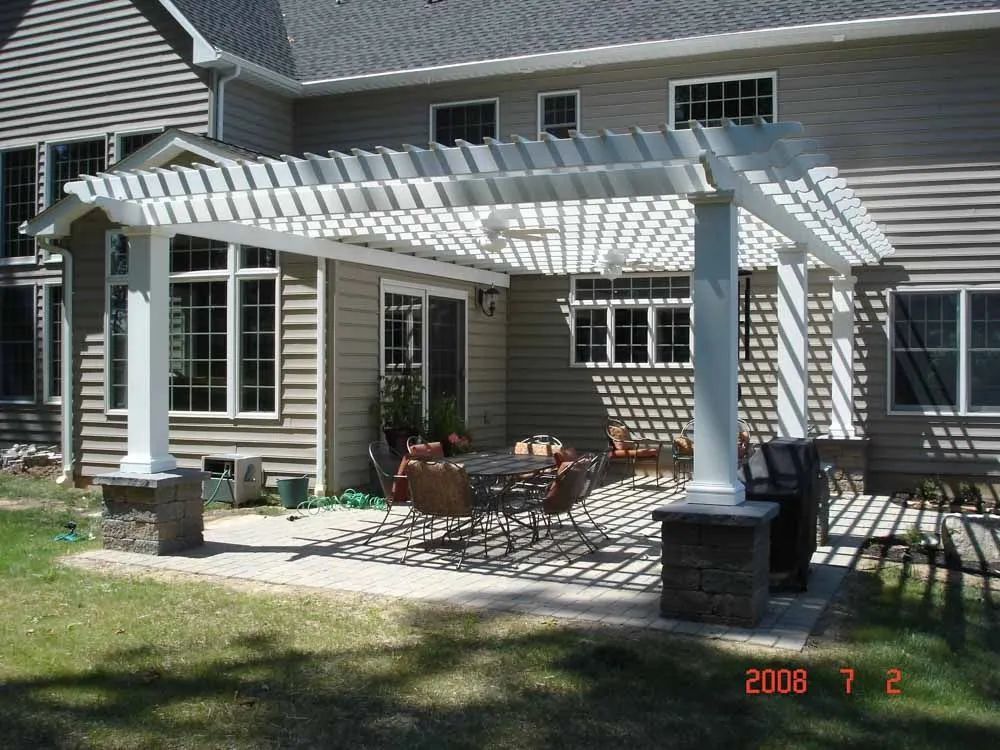
Backyard patio with a white pergola, outdoor dining table, and house exterior in sunlight
June 8, 2026
Outdoor living spaces have become an essential extension of modern homes, providing areas for relaxation, entertainment, and increased property value. Among the many outdoor enhancements available, pergolas remain one of the most popular additions because they combine functionality, aesthetics, and versatility.
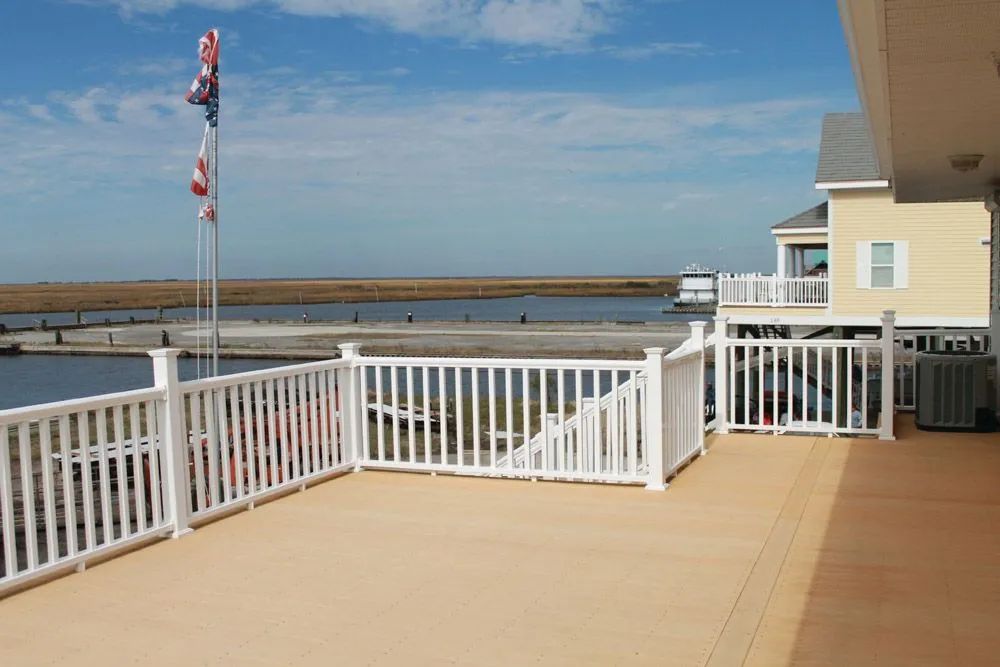
Empty waterfront deck with white railing and a flagpole under a blue sky
May 5, 2026
A well-designed deck railing can transform an ordinary outdoor space into a safe, stylish, and inviting environment. Beyond providing essential safety and support, railings define the overall aesthetic of a deck, complementing architecture and landscaping.
A two-story grey house features an elevated deck with white railings, stone-based columns, and stairs leading to the yard.
April 13, 2026
An outdoor space is more than just an extension of a home—it is a reflection of style, comfort, and functionality. Among the elements that define the aesthetics and safety of a deck, railings play a critical role. A well-designed railing can enhance visual appeal, provide structural support,
Show More
Backyard patio with a white pergola, outdoor dining table, and house exterior in sunlight
June 8, 2026
Outdoor living spaces have become an essential extension of modern homes, providing areas for relaxation, entertainment, and increased property value. Among the many outdoor enhancements available, pergolas remain one of the most popular additions because they combine functionality, aesthetics, and versatility.
Empty waterfront deck with white railing and a flagpole under a blue sky
May 5, 2026
A well-designed deck railing can transform an ordinary outdoor space into a safe, stylish, and inviting environment. Beyond providing essential safety and support, railings define the overall aesthetic of a deck, complementing architecture and landscaping.
A two-story grey house features an elevated deck with white railings, stone-based columns, and stairs leading to the yard.
April 13, 2026
An outdoor space is more than just an extension of a home—it is a reflection of style, comfort, and functionality. Among the elements that define the aesthetics and safety of a deck, railings play a critical role. A well-designed railing can enhance visual appeal, provide structural support,
Show More