Modern Meets Classic: Combining Traditional Columns with Contemporary Design
January 7, 2026

Architecture is an evolving dialogue between tradition and innovation. While contemporary design emphasizes minimalism, open spaces, and sleek materials, classical elements such as columns carry a legacy of sophistication and grandeur. Columns have been central to architecture for thousands of years, symbolizing strength, stability, and artistic refinement. Integrating these traditional features into modern spaces offers designers a unique opportunity to create visually striking environments that honor history while embracing present-day aesthetics. This blending of old and new is not merely decorative; it is a statement about balance, creativity, and architectural versatility.
In today’s design landscape, homeowners and architects increasingly seek ways to combine the elegance of classical columns with the clean lines and functionality of modern interiors and exteriors. Achieving this harmony requires understanding both the historical significance of traditional columns and the principles that define contemporary design. From residential homes to commercial spaces, the strategic placement and styling of columns can transform ordinary structures into memorable architectural statements. In this blog, we explore how traditional columns can seamlessly integrate into contemporary design, offering actionable insights, practical examples, and expert guidance to inspire your next project.
1. Understanding the Appeal of Traditional Columns in Modern Spaces
Historical Significance
Columns have been an architectural cornerstone since ancient civilizations. Greek Doric, Ionic, and Corinthian columns represent strength, proportion, and artistic flair. Roman architecture further refined these designs, making columns central to both structural and ornamental purposes. Recognizing this historical context helps architects appreciate why these elements continue to resonate in modern design—they carry an inherent sense of authority and elegance.
Timeless Aesthetics
The visual appeal of columns transcends eras. Their vertical lines create rhythm and guide the eye, adding depth and dimension to spaces. When incorporated into contemporary interiors, columns can act as focal points or subtle dividers, balancing open layouts without overwhelming the minimalist ethos of modern design. Their presence communicates refinement and permanence, qualities that modern materials alone cannot always achieve.
Practical Applications
Columns are not just ornamental—they serve functional roles. In modern construction, they can support large open spans, frame entryways, or define interior zones. Utilizing traditional columns in contemporary spaces allows designers to leverage both aesthetic charm and structural utility, making them a versatile tool in innovative architecture.
2. Choosing the Right Column Style for Contemporary Design
- Matching Proportions and Scale:- Selecting a column that complements a modern space requires attention to proportion and scale. Oversized classical columns can dominate minimalist interiors, while slender, streamlined versions can subtly enhance visual interest. For exterior applications, consider how columns relate to other architectural elements, such as rooflines, balconies, and façades. Properly scaled columns maintain harmony without disrupting the modern aesthetic.
- Material Selection:- Modern design favors materials like glass, steel, and concrete, while traditional columns are often crafted from stone or wood. Combining materials can create a striking balance: a marble Corinthian column paired with a sleek steel railing or a wooden Doric column accenting a concrete porch. Such choices reinforce the blend of classical charm and contemporary innovation.
- Decorative Elements and Minimalism:- While classical columns often feature intricate carvings, fluting, and capitals, contemporary interpretations can simplify these details to suit a modern palette. Minimalist capitals, smooth shafts, or understated bases preserve the historical essence while preventing visual clutter. The key is subtlety—retaining classical form without overpowering the overall design.
3. Integrating Columns into Interior Design
Columns as Room Dividers
In open-concept homes, columns can define functional zones without using walls. For example, a pair of Ionic columns can separate a living room from a dining area, maintaining spatial continuity while introducing architectural interest. This approach respects modern preferences for open layouts while adding classical character.
Decorative and Statement Pieces
Columns can serve as artistic accents in interiors. Placing a fluted Corinthian column in an entryway or beside a fireplace transforms an otherwise simple space into a sophisticated focal point. Designers often pair columns with modern lighting, furniture, and color palettes to create a seamless blend of eras.
Supporting Functional Features
Beyond aesthetics, columns can support floating staircases, mezzanine floors, or lofted spaces. Using traditional column forms in these functional roles ties structural necessity to timeless design, proving that classical elements are more than decorative—they are practical and enduring.
4. Enhancing Exterior Spaces with Traditional Columns
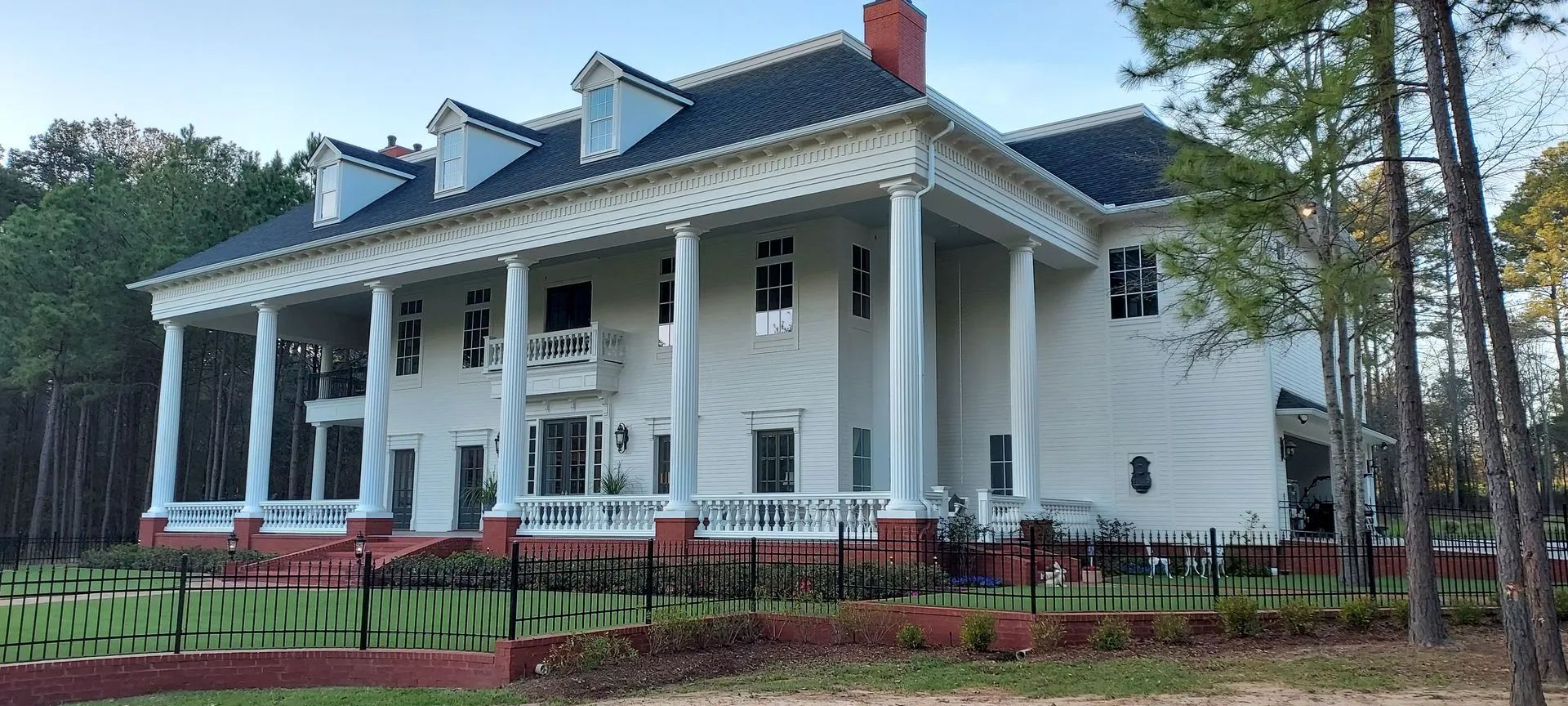
- Creating Grand Entrances:- Columns have long symbolized welcome and grandeur at building entrances. In contemporary exteriors, flanking a modern doorway with simplified Doric or Tuscan columns creates a striking contrast, elevating curb appeal without compromising the clean lines of the façade.
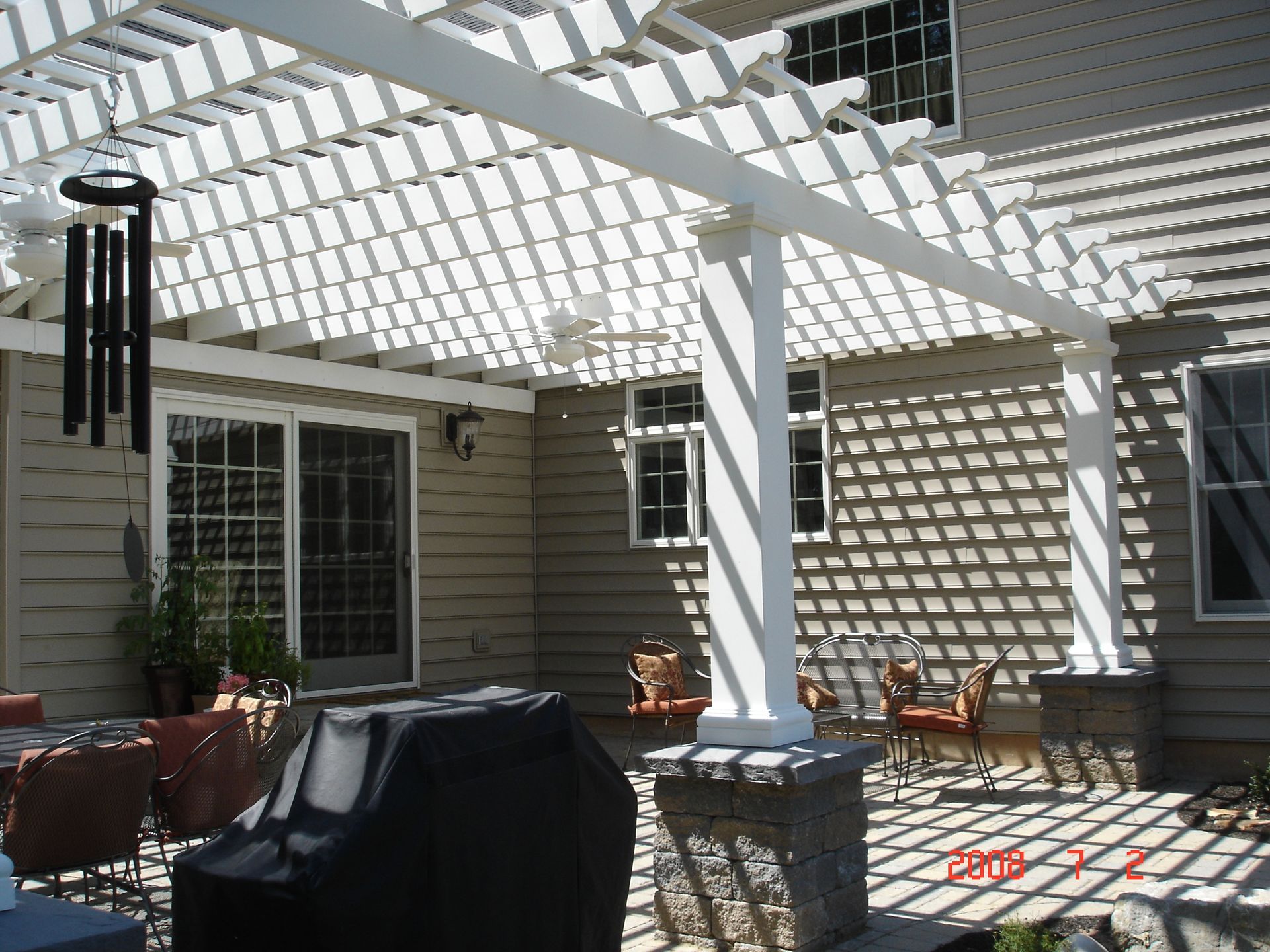
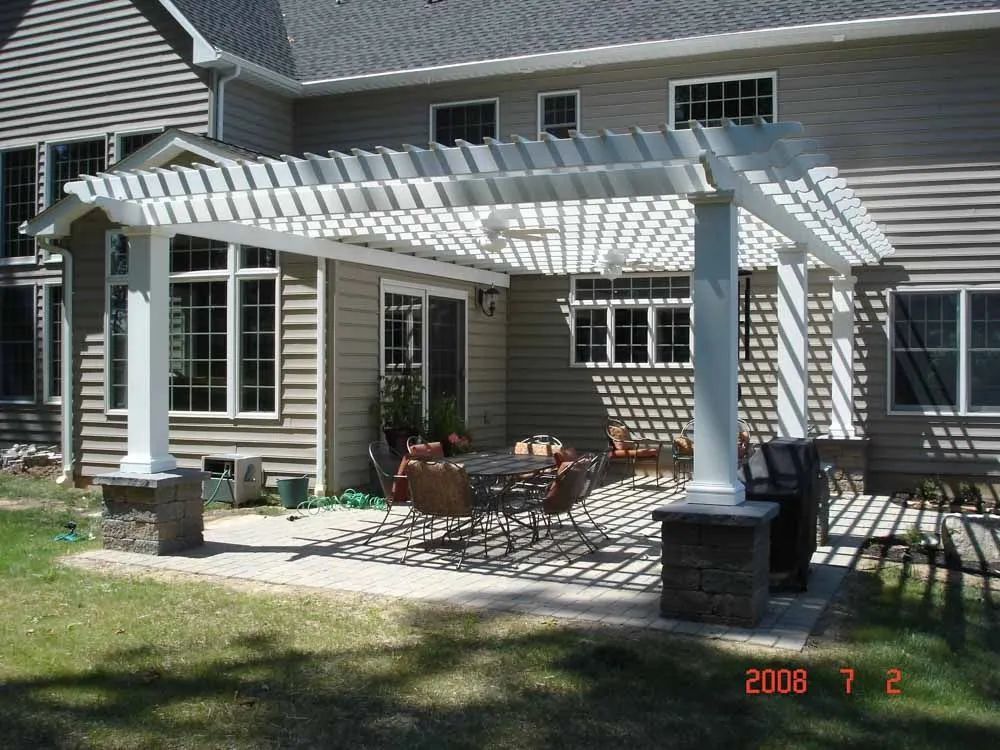
- Porches, Patios, and Outdoor Living:- Outdoor spaces benefit from the marriage of traditional columns and modern materials. For instance, a covered patio with slender wooden columns and concrete flooring offers warmth and structural elegance. Using columns as supports for pergolas, gazebos, or decks further demonstrates their versatility in modern landscaping.
- Blending With Landscaping:- Columns also interact with natural elements. Integrating climbing plants, lighting fixtures, or water features around columns adds dimension while softening their formality. In contemporary landscapes, this approach bridges classical architecture and organic modern design seamlessly.
5. Challenges and Considerations in Combining Styles
Maintaining Balance
One of the greatest challenges is preventing columns from overpowering modern simplicity. Overly ornate designs can clash with minimalist interiors, while excessively plain columns may fail to convey classical charm. Striking a balance requires thoughtful selection of style, proportion, and finish.
Structural Integrity and Material Constraints
Incorporating traditional column styles into modern construction demands attention to load-bearing requirements, material compatibility, and installation methods. For instance, natural stone columns may be heavy and require reinforced foundations, while modern composites can achieve classical appearances with reduced structural demands. Consulting with structural engineers ensures safety without sacrificing aesthetics.
Cost Implications
Custom columns, especially those with detailed carvings or premium materials, can be costly. Designers often weigh the visual impact against budget constraints, exploring alternatives like modular or prefabricated columns that mimic traditional designs at a fraction of the cost. Careful planning ensures both beauty and practicality.
Harmonizing With Other Elements
Combining classical and contemporary features extends beyond columns. It requires cohesion with flooring, furniture, lighting, and color palettes. Maintaining stylistic unity ensures that columns enhance rather than distract from the overall design.
6. Best Practices and Expert Tips
- Subtle Integration:- Experts recommend introducing traditional columns gradually. For interiors, a single statement column may suffice, while exteriors might feature a pair framing the entrance. Subtlety allows modern design to shine while acknowledging classical roots.
- Customization and Flexibility:- Custom-designed columns offer flexibility in dimensions, materials, and detailing. For modern projects, designers often create hybrid columns—classical in silhouette but executed with contemporary finishes like matte metals or polished concrete. This approach merges heritage and innovation seamlessly.
- Consistency in Design Language:- Maintaining a consistent design language ensures that classical elements complement rather than compete with contemporary features. For example, using smooth finishes or monochromatic palettes aligns columns with modern aesthetics while preserving historical references.
Real-World Examples:-
- Residential: A modern home with an open-concept kitchen and living area uses slender Ionic columns to define spaces subtly without enclosing them.
- Commercial: An office lobby integrates Corinthian columns with glass partitions, creating a sense of prestige and openness.
- Hospitality: Boutique hotels combine Tuscan columns with sleek metal railings, bridging elegance and contemporary luxury.
7. Transformative Benefits of Combining Traditional Columns with Contemporary Design
Enhanced Visual Interest
Columns introduce rhythm, proportion, and verticality, enriching otherwise minimalist modern spaces. They create focal points, guide circulation, and establish architectural hierarchy, making spaces memorable and visually dynamic.
Increased Property Value
Homes and buildings that blend classical and modern design often appeal to a broader audience. Strategic column placement adds sophistication, creating a perception of luxury that can enhance market value.
Architectural Legacy and Personalization
Incorporating traditional elements ensures designs resonate with historical significance while allowing personalization. Homeowners and designers can reflect individual tastes, blending heritage with contemporary preferences for timeless appeal.
Versatility Across Applications
Whether in interiors, exteriors, commercial spaces, or outdoor living areas, columns are adaptable. They accommodate diverse styles, materials, and functional needs, proving their enduring relevance in modern architecture.
Reimagining Interiors with Lasting Elegance
Successfully combining
traditional columns with contemporary design requires thoughtful planning, stylistic sensitivity, and technical expertise. By understanding historical significance, selecting appropriate styles and materials, and integrating columns subtly, designers can create spaces that are both visually striking and functionally sound. These architectural elements serve as bridges between eras, blending the timeless elegance of classical design with the clean lines and practicality of modern aesthetics. Achieving this balance enhances spatial appeal, elevates property value, and reflects sophisticated design sensibilities.
Crafting Sophisticated Spaces with Hybrid Column Styles
At Columns & Carvings, LLC, we specialize in helping clients bring this seamless blend of classic and modern design to life. Based in Birmingham, Alabama, our team brings over 20
years of experience crafting columns and architectural elements that combine historical elegance with contemporary appeal. Whether you’re enhancing a residential home, designing a commercial space, or creating a memorable outdoor environment, we provide expert guidance from concept to installation. Our craftsmanship focuses on precision, quality materials, and thoughtful design, ensuring each project not only meets but exceeds expectations. We work closely with architects, designers, and homeowners to ensure every column aligns with your vision while complementing modern aesthetics. From custom designs to refined finishes, our goal is to transform spaces with enduring style and functionality. Trust Columns & Carvings, LLC
to turn your architectural dreams into reality, blending timeless charm with contemporary innovation in every project we undertake.