Installing Deck Railings: Materials, Styles, and Maintenance Tips
May 5, 2026
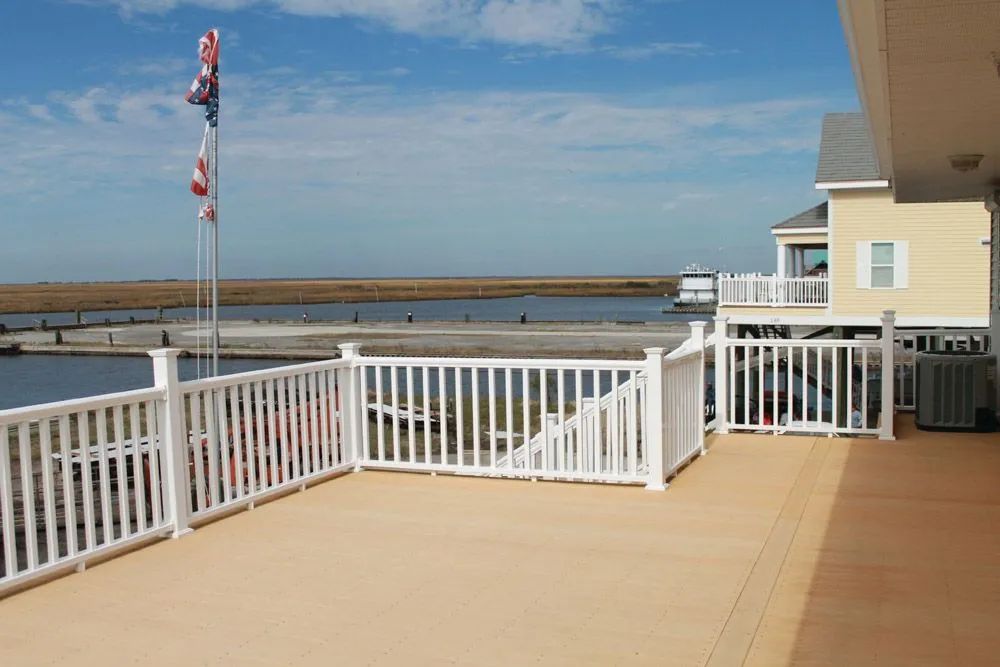
A well-designed deck railing can transform an ordinary outdoor space into a safe, stylish, and inviting environment. Beyond providing essential safety and support, railings define the overall aesthetic of a deck, complementing architecture and landscaping. Homeowners and property managers increasingly recognize that choosing the right railing is not just a functional decision but also an investment in curb appeal and long-term value. The right railing can elevate the perception of a property, making outdoor areas more enjoyable for entertaining guests or spending quiet time outdoors. Considering factors such as weather exposure, foot traffic, and overall design harmony ensures the railing not only looks great but also performs reliably for years.
Deck railing installation requires careful planning, starting with the selection of materials that meet both aesthetic and functional needs. Wood, metal, glass, and composite options each offer unique benefits, while styles range from classic to modern, catering to different design visions. Equally important is maintaining these railings to ensure safety, longevity, and visual appeal over time. Understanding installation techniques, building codes, and proper fasteners can prevent structural issues and maximize the railing’s lifespan. This blog provides a comprehensive guide to installing deck railings, exploring material options, popular styles, and essential maintenance practices. Practical advice and real-world insights will help homeowners and property managers make decisions that enhance outdoor living spaces, improve safety, and create an appealing environment for gatherings, relaxation, and entertainment.
Understanding Deck Railing Materials
Choosing the right material is the foundation of a successful railing installation. Each option offers a combination of durability, maintenance requirements, aesthetics, and cost.
Wood: Classic and Customizable
Wood has long been a popular choice due to its natural beauty and flexibility in design. Pressure-treated lumber, cedar, and redwood are common options. Pressure-treated wood is cost-effective and resistant to rot and insects, making it suitable for long-term use. Cedar and redwood provide a rich, natural appearance and are naturally resistant to decay, though they require regular staining or sealing to maintain their look.
Benefits
- Offers customizable designs and easy modification on-site.
- Provides a warm, natural aesthetic that blends with landscapes.
- Compatible with various hardware and finishing options.
Challenges
- Susceptible to weathering, cracking, and warping if not maintained properly.
- Requires periodic staining or sealing to prevent moisture damage.
- Lifespan is shorter than some modern materials like composite or metal.
Metal: Strength and Low Maintenance
Aluminum, wrought iron, and stainless steel are popular metal choices. Aluminum resists rust, making it suitable for wet climates, while wrought iron delivers a traditional, elegant look but may require protective coatings. Stainless steel provides strength, modern appeal, and minimal maintenance, particularly for cable railing systems.
Benefits
- High strength-to-weight ratio ensures safety without bulky structures.
- Low maintenance compared to wood.
- Ideal for contemporary designs or industrial aesthetics.
Challenges
- Higher initial cost than wood.
- Wrought iron may rust if protective coatings are compromised.
- Requires professional installation for complex designs.
Composite: Durable and Weather-Resistant
Composite railings are made from a mix of recycled wood fibers and plastic, offering the appearance of wood without intensive upkeep. These materials resist moisture, insects, and fading, making them an excellent choice for decks exposed to harsh weather.
Benefits
- Minimal maintenance with no staining or sealing required.
- Long lifespan and resistance to rot and insect damage.
- Eco-friendly options using recycled materials.
Challenges
- Higher upfront cost compared to wood.
- Limited color and texture choices relative to natural wood.
- May expand or contract slightly with temperature changes, requiring careful installation.
Glass: Transparency and Modern Appeal
Glass railings create an open, unobstructed view while providing safety. Tempered or laminated glass panels are typically used, supported by metal or composite frames. This option works well for decks overlooking scenic landscapes or waterfront properties.
Benefits
- Maximizes natural light and enhances visual space.
- Modern and minimalist aesthetic.
- Easy to clean with proper glass cleaners.
Challenges
- Higher cost due to specialized materials and hardware.
- Requires careful installation to meet safety standards.
- Smudges, fingerprints, and water spots are more visible.
Popular Deck Railing Styles
Once materials are selected, the style of the railing significantly impacts both the deck’s look and functionality. Styles can range from traditional to contemporary, each bringing unique design elements.
Traditional and Colonial Styles
Classic wooden railings with vertical balusters or decorative posts provide a timeless look. These styles work well for traditional homes, adding a sense of formality and balance to outdoor spaces.
Key Features
- Symmetrical designs with evenly spaced balusters.
- Decorative post caps or lattice accents.
- Easy integration with matching wooden stairs and trim.
Modern and Minimalist Designs
Minimalist styles focus on clean lines and open spaces. Metal or composite railings, cable systems, and frameless glass panels create sleek, contemporary decks that feel light and airy.
Key Features
- Horizontal or vertical cable railings for unobstructed views.
- Frameless or semi-frameless glass panels.
- Bold, geometric shapes using metal posts or composite materials.
Ornamental and Decorative Options
For those seeking distinctive designs, ornamental railings feature intricate patterns, scrollwork, or custom cutouts. Wrought iron and metal are ideal for these styles, delivering elegance and personality.
Key Features
- Intricate patterns and artistic designs.
- Enhances the visual appeal of patios, terraces, or rooftop decks.
- Can complement architectural details of the home.
Mixed-Material Combinations
Combining materials, such as wood posts with metal or glass panels, offers flexibility and unique appeal. These hybrid designs leverage the strengths of different materials while reducing maintenance in high-exposure areas.
Key Features
- Customizable to match home architecture.
- Offers durability while preserving aesthetic value.
- Provides visual contrast and modern design elements.
Deck Railing Installation Considerations
Proper installation ensures safety, stability, and long-term durability. Understanding structural requirements and following best practices is critical.
Building Codes and Safety Standards
Deck railings must comply with local building codes, which specify minimum height, spacing between balusters, and load-bearing capacity. Failure to meet these standards can lead to accidents and legal issues.
Best Practices
- Confirm deck railing height requirements (typically 36–42 inches for residential decks).
- Maintain proper spacing (usually no more than 4 inches between balusters) to prevent accidents.
- Use sturdy posts anchored securely to the deck frame.
Hardware and Fasteners
Using appropriate hardware ensures structural integrity. Stainless steel screws and bolts are preferred for outdoor installations due to corrosion resistance. Avoid nails, which can loosen over time.
Tips
- Pre-drill holes for wood to prevent splitting.
- Use anchors or brackets for metal or composite railings.
- Choose weather-resistant finishes for longevity.
Professional vs. DIY Installation
While experienced DIYers can handle basic wood or composite railings, complex systems such as cable or glass panels often require professional expertise. Incorrect installation may compromise safety and void manufacturer warranties.
Guidance
- Assess the complexity of the project before starting.
- Consult with experts for specialized materials or styles.
- Follow manufacturer instructions closely to ensure compliance and safety.
Maintaining Deck Railings for Longevity
Routine maintenance extends the life of railings and keeps them safe and attractive. Each material requires specific care practices.
Wood Railing Maintenance
Wood railings require regular cleaning, inspection, and sealing. Pressure washing can remove dirt and mildew, while stains and sealants protect against moisture and UV damage.
Maintenance Tips
- Inspect for cracks, splinters, or insect damage annually.
- Apply protective sealants or stains every 2–3 years.
- Replace damaged balusters or posts promptly to maintain safety.
Metal Railing Maintenance
Metal railings are durable but may require occasional cleaning and rust prevention. Aluminum and stainless steel are low-maintenance, while wrought iron benefits from periodic painting or protective coatings.
Maintenance Tips
- Clean metal surfaces with mild soap and water.
- Inspect for rust spots and treat immediately.
- Tighten loose screws and bolts to maintain stability.
Composite and PVC Railing Care
Composite and PVC railings are highly resistant to weather, requiring minimal effort beyond cleaning. Gentle scrubbing with soap and water prevents dirt buildup and preserves appearance.
Maintenance Tips
- Wash panels at least twice a year.
- Avoid abrasive cleaners that can scratch surfaces.
- Inspect posts and fasteners for loosening over time.
Glass Railing Upkeep
Glass railings need cleaning to remain clear and aesthetically pleasing. Safety inspection of brackets and fasteners ensures panels remain secure.
Maintenance Tips
- Use non-abrasive glass cleaners to prevent streaks.
- Check for chips, cracks, or loose fittings regularly.
- Clean both sides of the glass to maintain transparency.
Trusted Deck Railing Solutions by Columns & Carvings
Installing deck railings is an essential step in creating safe, functional, and visually appealing outdoor spaces. Selecting the right material, style, and installation approach ensures long-term durability, complements architectural design, and enhances property value. From classic wood to modern metal, composite, or glass, each option offers distinct benefits and requires appropriate maintenance to preserve performance and appearance. Understanding building codes, structural requirements, and routine care practices protects against accidents, prolongs the lifespan of the railing, and maximizes return on investment.
At Columns & Carvings, LLC, experience and precision guide every railing installation project. Based in Birmingham, Alabama, we bring 20
years of expertise to crafting durable, aesthetically striking, and code-compliant deck railings. Our approach combines knowledge of materials, design innovation, and maintenance best practices to deliver results that enhance outdoor living spaces. Trust in our skill, attention to detail, and commitment to quality ensures each deck railing project not only meets expectations but also elevates the beauty, safety, and functionality of every property.