Elegant Balustrade Designs That Elevate Any Interior or Exterior Space
March 11, 2026
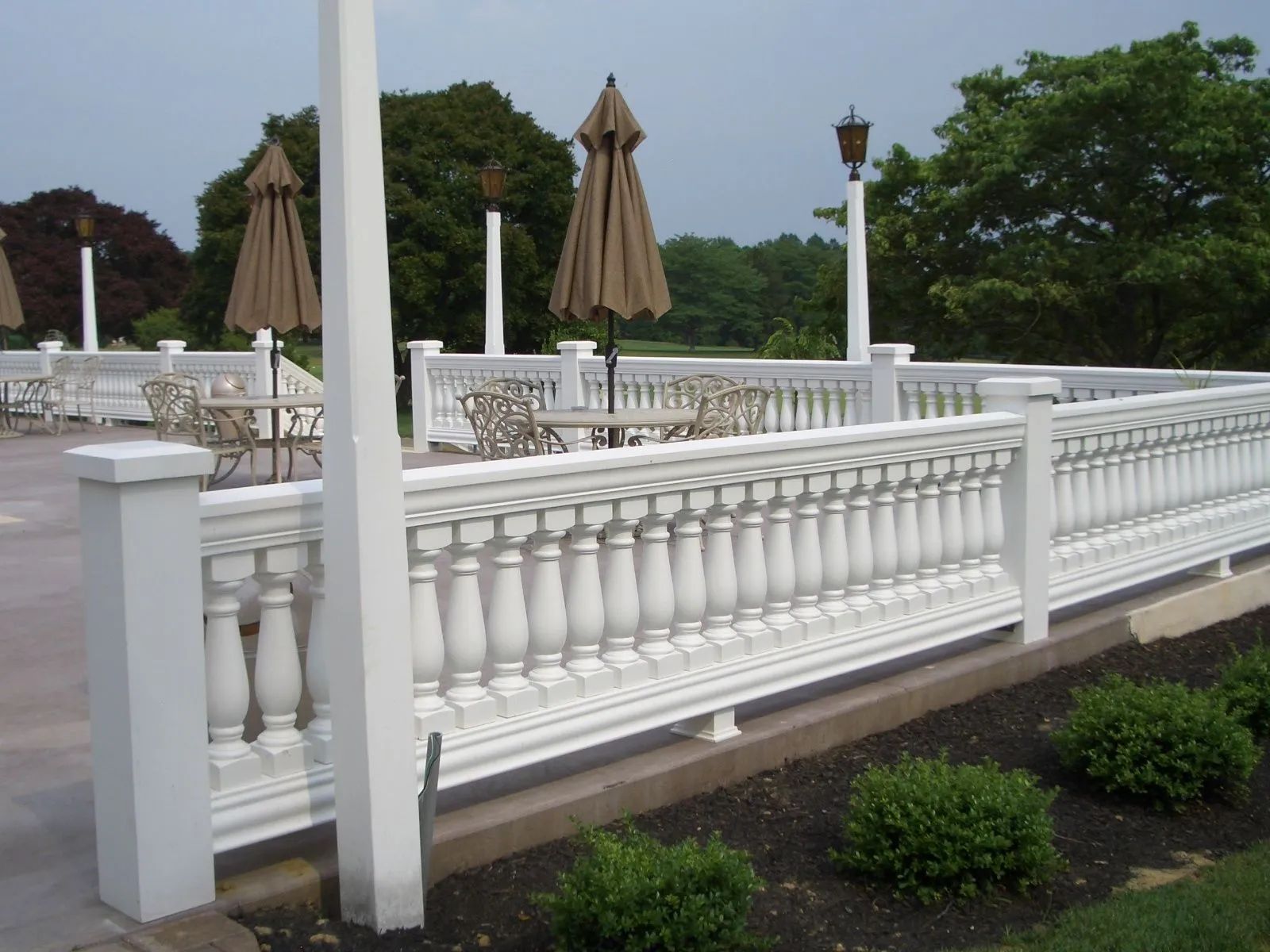
Balustrades are often underestimated in architectural design, yet they play a pivotal role in shaping the character and functionality of both interior and exterior spaces. More than just safety features, balustrades serve as a design statement that can transform staircases, balconies, terraces, and outdoor landscapes into visually compelling elements. From classical columns to contemporary glass panels, the choice of balustrade significantly impacts the aesthetic appeal, spatial perception, and overall ambiance of a property. Architects, designers, and homeowners alike are recognizing that a well-chosen balustrade does more than protect—it enhances the elegance, flow, and sophistication of a space.
In today’s competitive design environment, balancing style, safety, and durability is paramount. With advancements in materials, finishes, and installation techniques, balustrades now offer unprecedented versatility. Whether integrating ornate metalwork in a luxury interior or sleek glass designs in a modern outdoor setting, the options are practically limitless. This guide explores elegant balustrade designs that elevate spaces, providing actionable insights into selection, application, and maintenance. By understanding the nuances of materials, design trends, and practical considerations, homeowners and designers can make informed decisions that ensure safety without compromising on beauty.
1. Classic and Timeless Balustrade Designs
Traditional Wooden Balustrades
Wooden balustrades have been a staple in architecture for centuries, revered for their warmth, versatility, and natural appeal. Crafted from hardwoods like oak, mahogany, or cherry, these balustrades can be intricately carved or maintain a simple, elegant profile. Wooden designs work exceptionally well in traditional homes, heritage properties, and interiors that favor warmth and organic textures.
Benefits: Wood is highly customizable, allowing for detailed craftsmanship, smooth finishes, and a variety of stains and paints. It blends seamlessly with both vintage and modern interiors.
Challenges: Wooden balustrades require regular maintenance, including polishing and protection from moisture, especially in exterior applications. Failure to maintain them can lead to warping, rot, or pest damage.
Best Practices: Choose durable hardwoods for high-traffic areas. Apply protective coatings to resist humidity and UV exposure. For a timeless appeal, pair wooden balustrades with neutral tones and classic stair finishes.
Stone and Marble Balustrades
Stone and marble are synonymous with luxury and grandeur. Marble balustrades are ideal for grand staircases, foyer entrances, and exterior terraces, offering durability while making a bold design statement.
Benefits: Stone is highly durable, resistant to weathering, and adds a sophisticated, high-end look. Marble’s natural veining creates unique patterns, ensuring every installation is one-of-a-kind.
Challenges: Stone and marble are heavy, requiring reinforced structural support. They can be costly and may require professional installation.
Best Practices: Combine stone balustrades with complementary flooring or column designs. Seal marble surfaces to prevent staining and preserve their sheen over time.
2. Contemporary Balustrade Innovations
Glass Balustrades
Glass balustrades are a modern favorite, celebrated for their minimalistic elegance and ability to maximize light flow. Frameless or semi-framed glass panels create unobstructed views, making them ideal for patios, balconies, and open-concept interiors.
Benefits: Glass is visually light, promotes transparency, and enhances spatial perception. It also offers safety features with toughened or laminated glass options.
Challenges: Glass requires frequent cleaning to maintain clarity and prevent smudges. Incorrect installation can compromise safety and structural stability.
Best Practices: Use tempered glass with secure metal or wood mounts. Consider anti-reflective or frosted glass for privacy in sensitive areas. Regular inspections ensure brackets and fittings remain secure.
Metal Balustrades
Metal balustrades, including wrought iron, stainless steel, and aluminum, provide strength and design flexibility. They are ideal for industrial, modern, and transitional aesthetics.
Benefits: Metals are robust, long-lasting, and capable of intricate detailing or sleek minimalist designs. Powder-coated finishes increase corrosion resistance for exterior applications.
Challenges: Metals can be prone to rust if not properly treated, especially in coastal environments. They can also feel cold in interiors if overused.
Best Practices: Combine metal with wood or glass for a softer aesthetic. Opt for stainless steel in high-moisture areas and maintain finishes to prevent oxidation. Use decorative patterns or geometric designs to enhance visual interest.
3. Outdoor Balustrade Designs
Balconies and Terraces
Balustrades are crucial for outdoor safety, but they also contribute significantly to curb appeal. Designs range from classic iron railings with decorative scrollwork to modern glass panels that frame scenic views.
Benefits: Well-designed outdoor balustrades enhance property value, provide safety, and create a visually cohesive exterior. Materials like aluminum, powder-coated steel, and tempered glass are weather-resistant and low-maintenance.
Challenges: Outdoor balustrades face environmental stressors such as rain, wind, and UV exposure, which can affect durability and color.
Best Practices: Select weather-resistant materials and finishes. Consider the architectural style of the building and the surrounding landscape. Regular cleaning and inspection prevent structural deterioration.
Poolside and Garden Balustrades
Poolside and garden areas benefit from balustrades that combine functionality with aesthetic appeal. Glass balustrades are particularly popular around pools, offering uninterrupted sightlines while acting as a safety barrier.
Benefits: Clear glass panels do not obstruct the landscape view and create a sense of openness. Aluminum or stainless steel balustrades provide longevity and a modern look.
Challenges: Safety regulations may require specific heights and materials. Chlorine and outdoor elements can affect certain materials.
Best Practices: Ensure compliance with local safety codes. Use anti-slip surfaces on balustrade bases, and incorporate LED lighting for nighttime visibility and ambiance.
4. Interior Balustrade Applications
Staircase Balustrades
Interior staircases are prime locations for statement balustrades. From sleek, glass panels in contemporary homes to ornamental wrought iron designs in traditional settings, the balustrade can define the staircase as a centerpiece rather than just a functional element.
Benefits: Balustrades improve safety while enhancing interior design. They can visually enlarge spaces when designed with transparency or reflective surfaces.
Challenges: Staircase balustrades must balance style with strict safety standards, particularly regarding height and spacing.
Best Practices: For modern interiors, opt for floor-to-ceiling glass panels or thin metal spindles. In classic homes, combine wooden rails with detailed newel posts. Ensure all fixtures are securely anchored.
Mezzanine and Loft Balustrades
Loft and mezzanine areas benefit from balustrades that provide safety without compromising the openness of the space. Glass, cable, or metal designs are ideal for maintaining unobstructed sightlines and maximizing light flow.
Benefits: Balustrades in these areas prevent accidents while allowing architectural features like high ceilings and open layouts to shine.
Challenges: Cable and glass systems require precise installation to meet tension and load-bearing requirements.
Best Practices: Engage professional installers to ensure safety and aesthetics. Combine materials to complement the interior design palette, such as glass with wooden handrails or metal posts.
5. Choosing Materials and Finishes
Material Selection
Selecting the right material is critical for durability, appearance, and maintenance. Wood, metal, glass, stone, and composites each offer unique advantages. Factors to consider include location, style, traffic level, and exposure to environmental elements.
Benefits: Appropriate material selection ensures longevity and maintains aesthetic appeal over time.
Challenges: Incorrect material choice can result in premature wear, safety hazards, or increased maintenance costs.
Best Practices: Match materials to both the architectural style and functional requirements. For high-moisture or outdoor areas, favor weather-resistant options like stainless steel, powder-coated metal, or treated wood.
Finishes and Treatments
Finishes enhance the visual appeal and protect balustrades from wear. Options include powder coating, staining, lacquer, paint, or sealants.
Benefits: Finishes extend the lifespan of materials and can be customized to match décor.
Challenges: Improper finishing can lead to peeling, fading, or corrosion.
Best Practices: Select finishes compatible with the material and intended environment. Apply multiple layers for protection in outdoor applications. Regular maintenance, including cleaning and touch-ups, ensures long-term performance.
6. Design Trends and Customization
Ornamental and Artistic Balustrades
Artistic designs allow homeowners to integrate personality and uniqueness into their spaces. Ornate ironwork, carved wooden patterns, or custom laser-cut metal panels add an exclusive touch.
Benefits: Custom designs create focal points and elevate the overall interior or exterior ambiance.
Challenges: Customization can be expensive and may require skilled craftsmanship.
Best Practices: Collaborate with designers and artisans for bespoke creations. Balance intricate designs with structural integrity, ensuring safety is never compromised.
Minimalist and Modern Balustrades
Minimalism remains a dominant trend in contemporary architecture. Thin metal rails, frameless glass panels, and clean lines emphasize simplicity while maintaining elegance.
Benefits: Minimalist balustrades suit open-concept interiors, enhance natural light flow, and reduce visual clutter.
Challenges: Maintaining safety without compromising aesthetics requires precision engineering.
Best Practices: Use high-quality materials with clean finishes. Incorporate subtle lighting or handrail integration to enhance functionality without overpowering design.
Proven Craftsmanship Elevating Homes And Exteriors
Elegant balustrade designs serve as more than safety barriers—they are transformative elements that elevate the beauty, functionality, and value of both interiors and exteriors. From timeless wooden and stone options to modern glass and metal solutions, the right choice balances aesthetics, durability, and safety. Outdoor and interior applications each present unique challenges, requiring thoughtful material selection, proper installation, and ongoing maintenance. By considering trends, customization possibilities, and design context, homeowners and designers can create spaces that are visually stunning, functional, and enduring.
For over 20
years, Columns & Carvings, LLC, based in Birmingham, Alabama, has been a trusted authority in delivering premium balustrade solutions. Combining expert craftsmanship, high-quality materials, and personalized design consultation, the company has transformed countless homes and commercial properties. Whether guiding clients in selecting materials, creating custom designs, or ensuring flawless installation, Columns & Carvings, LLC
prioritizes both safety and style. Their decades of experience ensure that every project enhances architectural elegance while meeting functional requirements, making them a dependable partner for anyone looking to elevate their space with sophisticated, lasting balustrade designs.